

Independent Estate Agent specialising in Residential Sales and Lettings
WELCOME
Homes of Choice is a network of professionals who specialise in the marketing and sale of prime residential properties throughout the UK and overseas. We put our confidence and trust in carefully selected independent property professionals.
We are known for our unique blend of intelligent and creative lifestyle marketing, utilising leading online technology coupled with a comprehensive offline approach to ensure your home stands out and attracts the right buyer.
Please explore and journey through our website to enable you to appreciate our bespoke service.
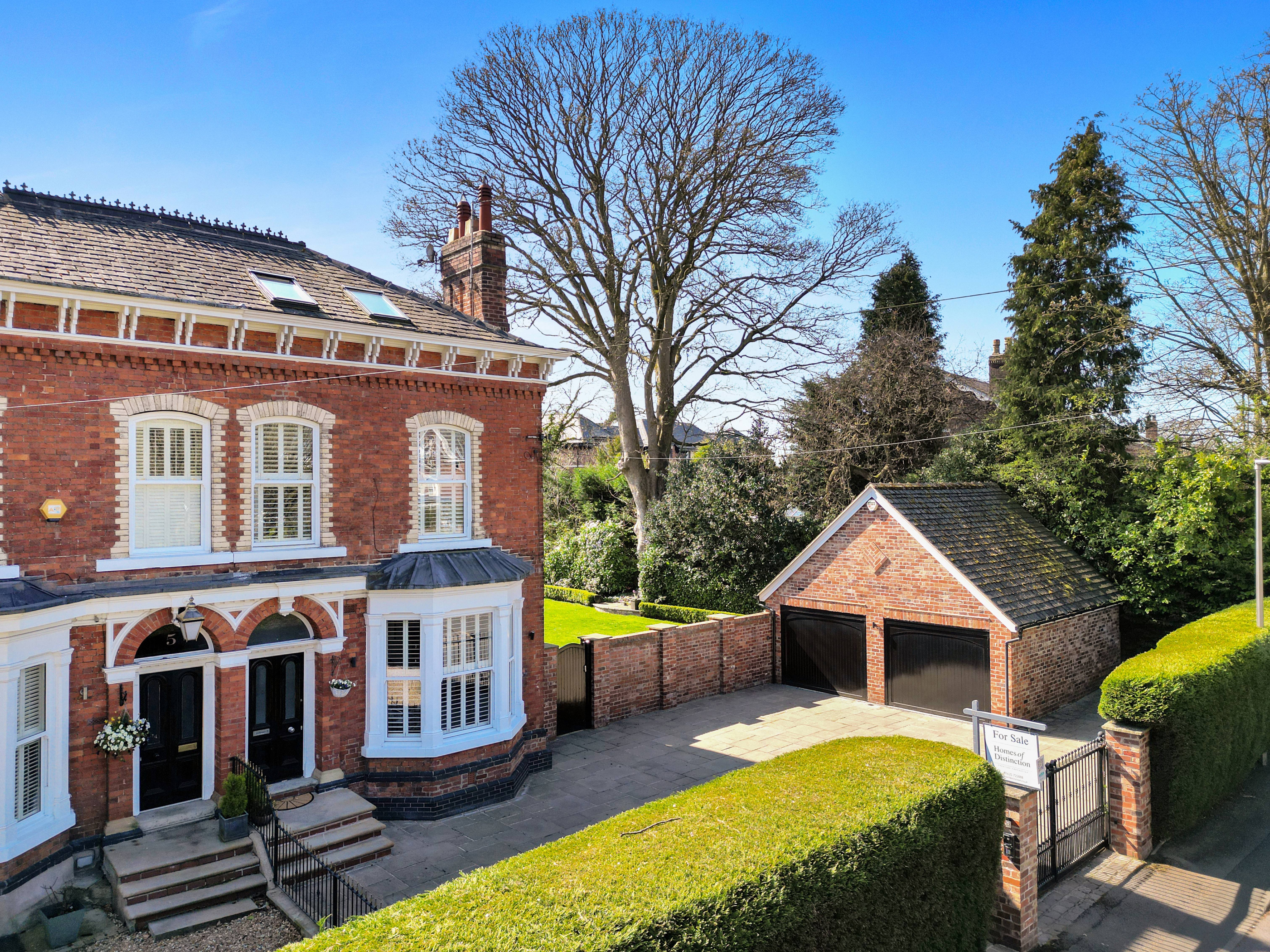
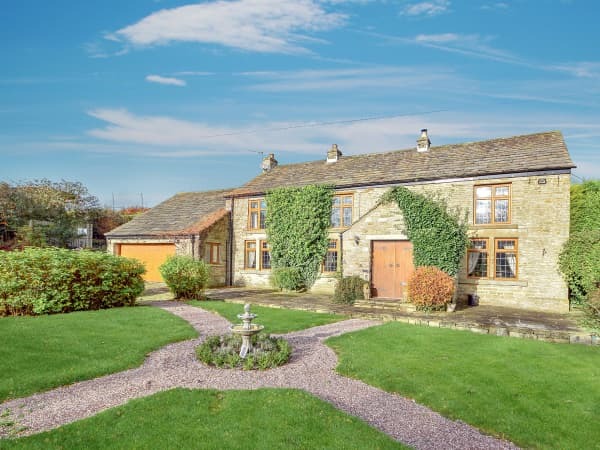
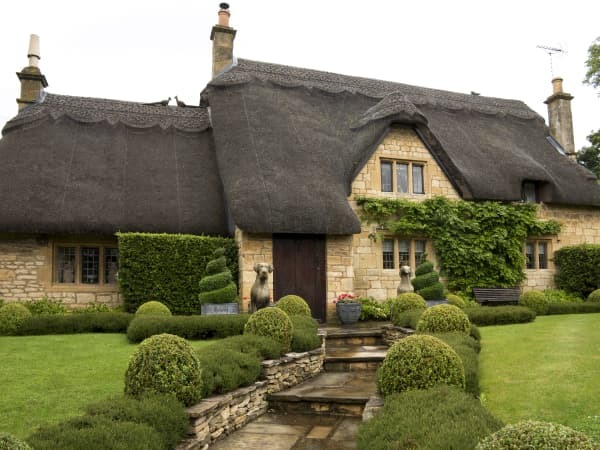
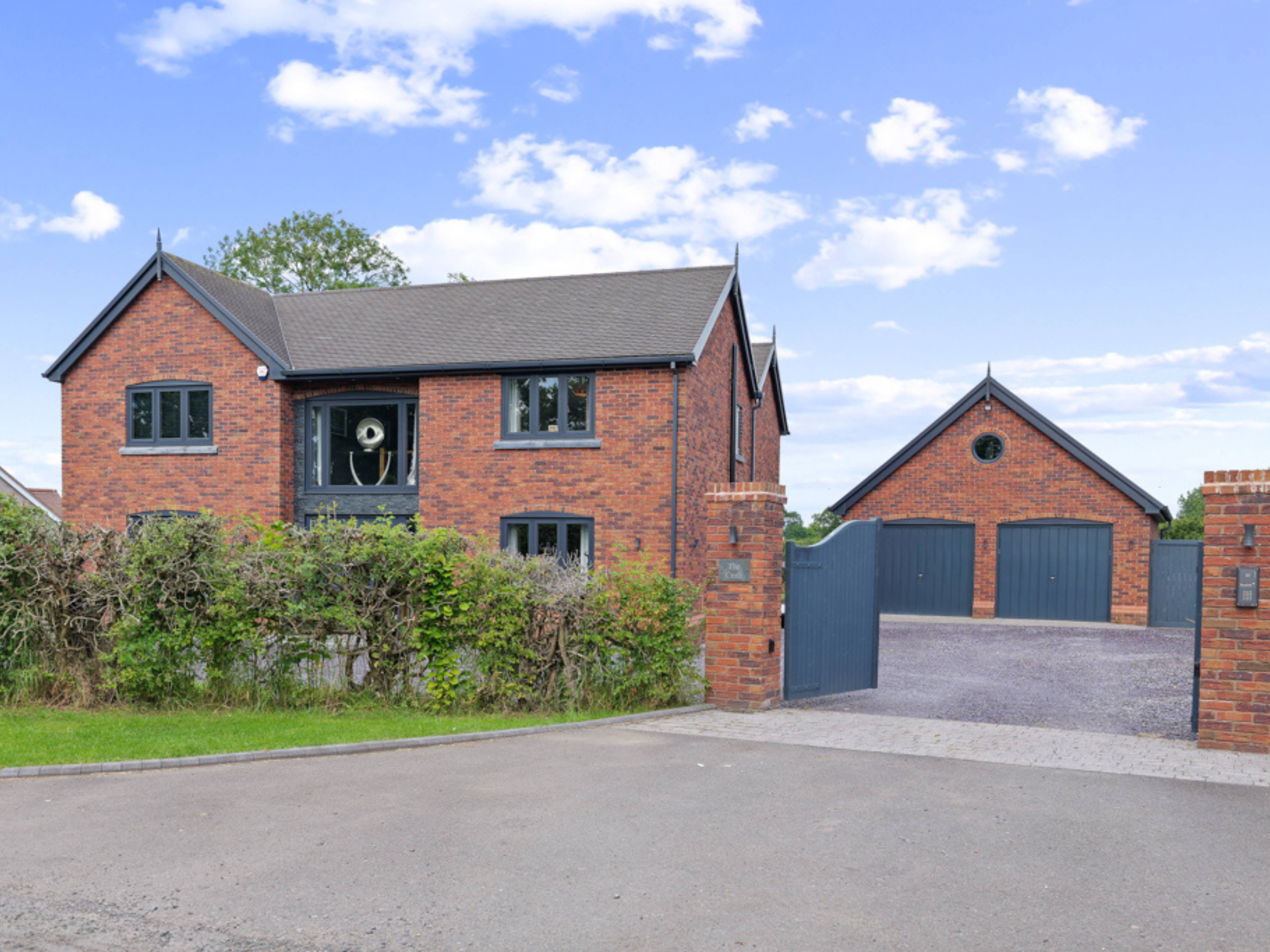
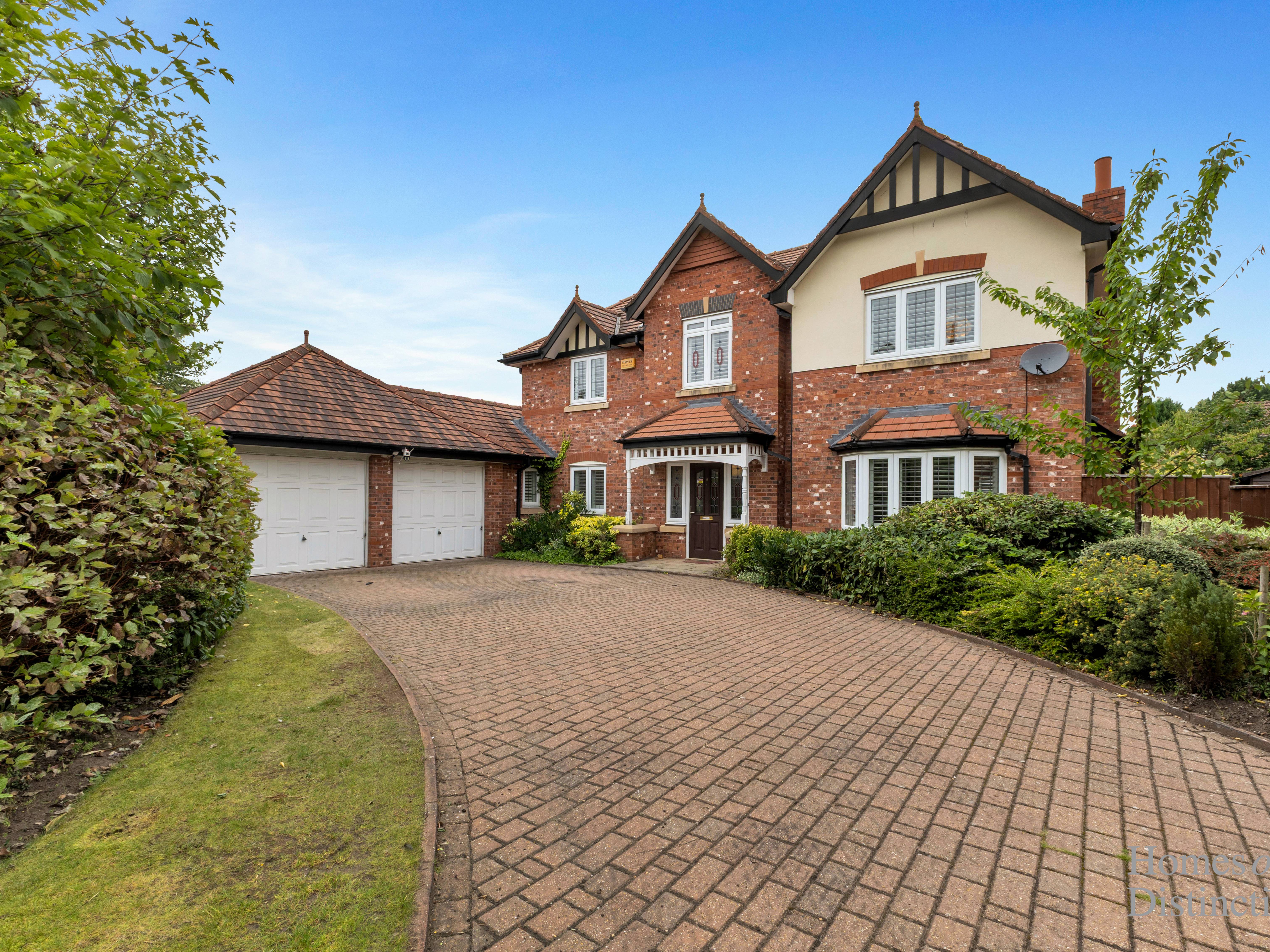
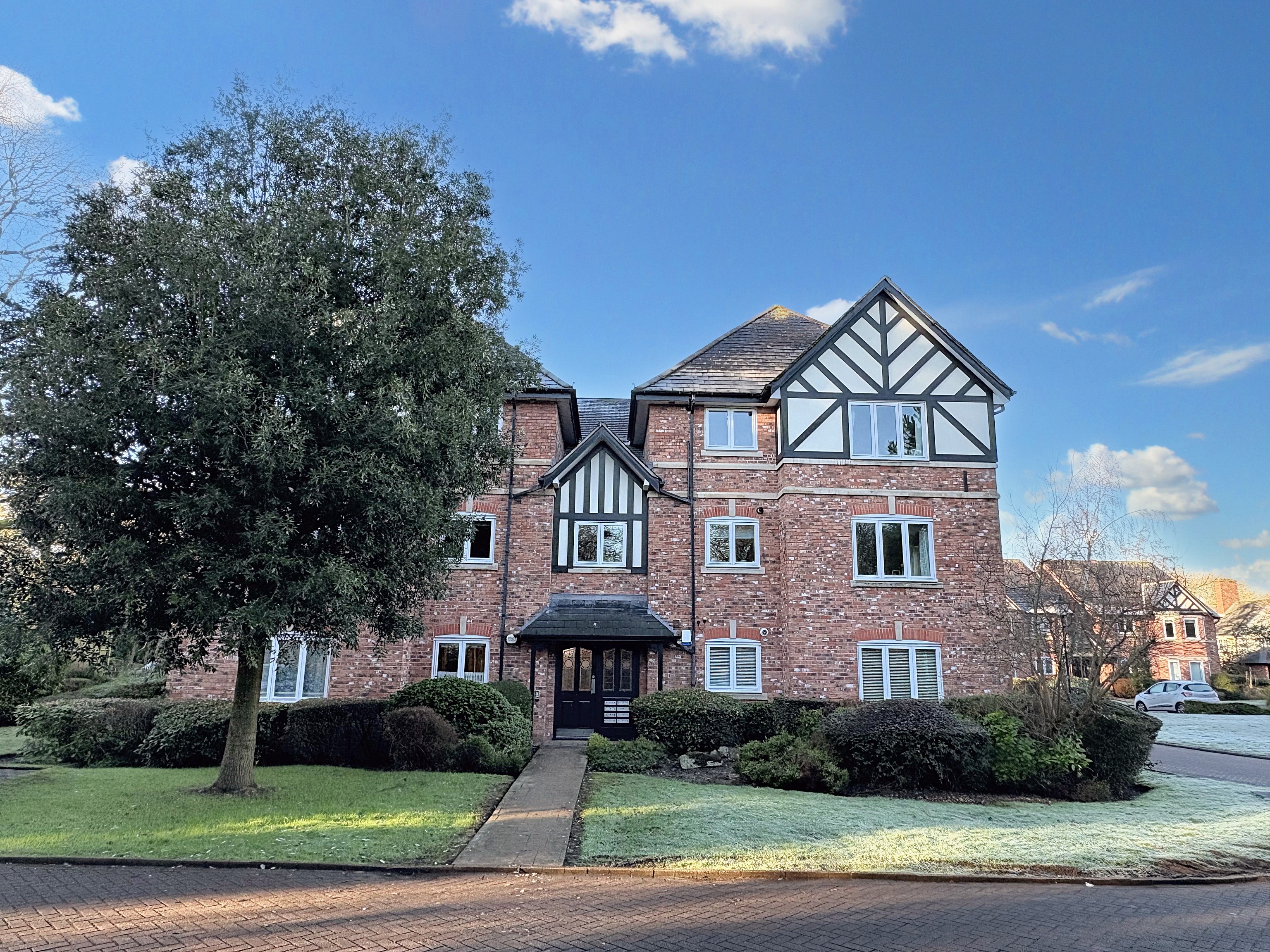
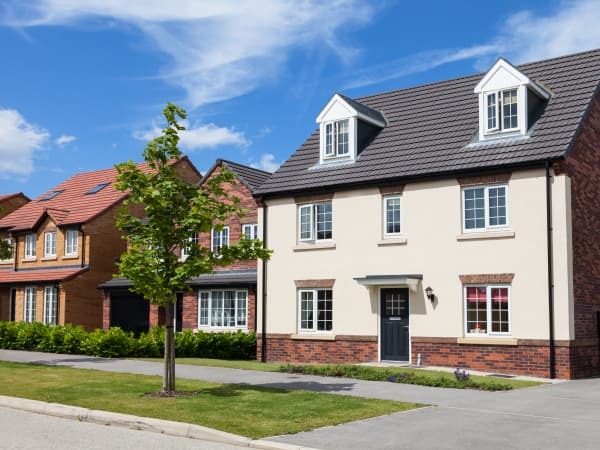
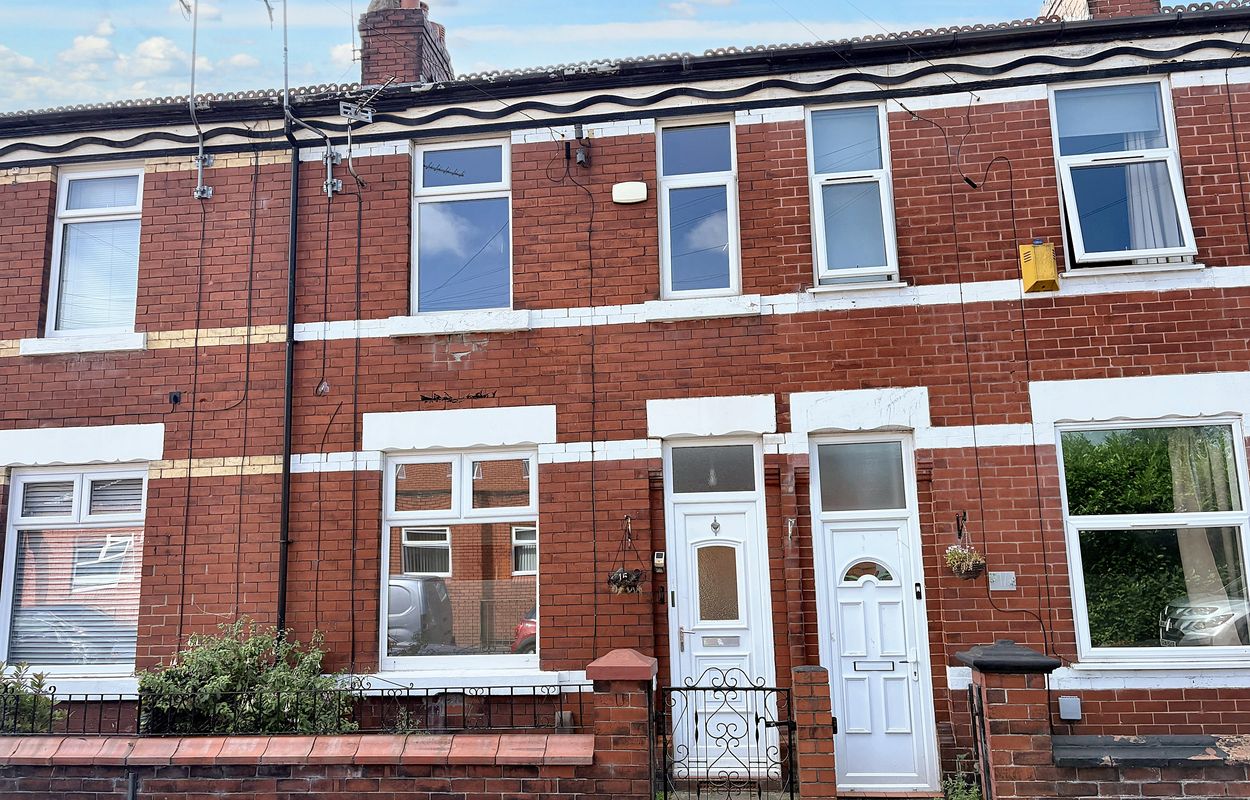
Bespoke Concierge Service







Homes of Distinction
Homes of Distinction is a network of property professionals who specialise in the marketing and sale of prime residential properties both locally and nationally. We put our confidence and trust in carefully selected independent property professionals.
We are known for our unique blend of intelligent and creative lifestyle marketing, utilising leading online technology coupled with a comprehensive offline approach to ensure your home stands out and attracts the right buyer.


In the Spotlight
Stay up to date with our latest news, tips and tricks.

Jun 30, 2025
The Sunday Times reveals the best places to live in the UK in 2024
The Sunday Times reveals the best places to live in the UK in 2024 It is that time of year again when The Sunday Times reveals its ‘Best Place to Live in the UK’, which provides a great marketing hook for estate agent and letting agents operating in the areas selected, not to mention the potential to drive up demand for housing on a regional level. North Berwick in East Lothian has been named the overall best place to live in the UK in 2024, replacing East Sussex town of Wadhurst in top spot (2023). North Berwick is the first Scottish winner in the 12-year history of Best Places to Live. It was picked for its combination of a great high street, a great school, the great outdoors and family-friendly houses. The judges say they were impressed by its easy connections to Edinburgh and the way life revolves around the town’s two beaches as well as the wealth of activities whatever your age. They also highlighted the thriving independent shops as a sign of the positive effect that small businesses can have on a community. Regional winners also included, Wivenhoe in Essex, Clerkenwell in London, Stirchley in Birmingham, Portstewart, Co Londonderry in Northern Ireland, Leeds, Stockport in Greater Manchester, West End in Dundee, Folkestone in Kent, Sherborne in Dorset, and Abergavenny in Monmouthshire. Helen Davies, editorial projects director and Best Places to Live editor, commented: “This guide is a celebration of towns, cities and villages that are each a fantastic place to live in 2024, from Dunkeld to Knutsford, Falmouth to Leeds. Wherever you are on the property ladder, there will be somewhere to suit you. “These are all places where you can feel grounded as well as upwardly mobile: they have a mature sense of community, lively, supportive high streets and an eye to the future, whether that is eco-friendly measures, transport and regeneration, or imaginative inclusion of new housing.” The Sunday Times’s judges visited all the locations and assessed factors from schools to transport, broadband speeds to culture, as well as access to green spaces and the health of the high street. The chosen locations come in all shapes and sizes, from the tiny Scottish island of Kerrera and the remote Welsh village of Presteigne to big, lively cities such as Belfast, Liverpool and London. There are more new entries than ever before in this year’s guide and no place for previous winners such as York and Bristol – the judges looked for improving locations with a strong sense of community rather than famous names with high house prices. Davies continued: “What makes our guide unique is that we actually visit all the places we choose and talk to locals to find out what life is really like there. “That means we can see what people really love about the places they live. That might be fast commutes and high-achieving schools but also clean water to swim in, lively town centres with useful shops, the possibility of earning a living and being part of a friendly community. “We do consider affordability, though high house prices are no barrier to inclusion – as long as they provide value for money. Different people may be looking for different things, but what all our best places have in common is that people love living in them and are proud to call them home.” Previous winners of the Best Places to Live in Britain title are: Stamford, Lincolnshire (2013); Skipton, North Yorkshire (2014); Newnham, Cambridge (2015); Winchester, Hampshire (2016); Bristol (2017), York (2018), Salisbury, Wiltshire (2019), Altrincham, Cheshire (2020) Stroud, Gloucestershire (2021), Ilkley, West Yorkshire (2022) and Wadhurst, East Sussex (2023). Source: The Sunday Times reveals the best places to live in the UK in 2024 – Property Industry Eye ...

Jun 30, 2025
Success of Women in Estate Agency Conference 2024 demonstrates ‘that our industry is ready for change’
Success of Women in Estate Agency Conference 2024 demonstrates ‘that our industry is ready for change’ The Women in Estate Agency (WiEA) committee hosted their second annual conference last Thursday, which proved a big success. The event featured a number of inspirational speakers, including Kate Faulkner. In contrast to more formal conference settings, the dynamic line-up of speakers led powerful discussions, combined with practical advice and insights, that touched on various aspects of the industry and the challenges faced by female professionals. The event even featured a surprise beatbox performance, adding an unexpected but energising element to the day. Held at The IET, Savoy Place in London, the event attracted nearly 450 attendees, marking a significant rise from the 250 attendees last year. They also saw a notable shift in gender demographics with over 20% male attendance, a substantial increase from less than 10% previously. Event organisers say the increase in male attendance reflects the growing need for gender diversity and inclusivity at all levels within the estate agency sector. WiEA aims to achieve a 40% male attendance by 2025, emphasising the importance of inclusivity and collaboration in driving industry-wide change. Many attendees were moved by the stories and experiences shared by speakers, including Heather Staff of Street Group and Rachel Hanniquet-Brooking of Apo Group Ltd. From personal anecdotes to professional expertise, the talks resonated with attendees on a deep and emotional level. WiEA emphasised the importance of collective action in effecting meaningful change. Through initiatives such as their growing Facebook group and webinar series, WiEA provides valuable tools and support to empower professionals at all levels in the sector. Verona Frankish, WiEA Committee chairperson, said: “The magic blend of incredible individuals sharing their personal stories, industry leaders sharing their business insights, thought-provoking panel discussions on topics that are never covered at industry events, mixed with an audience who checked their egos at the door and came to listen and learn with open hearts and minds. “The issue of workplace equality remains a significant challenge. It’s not merely about meeting quotas or ticking boxes; it’s about fostering an environment where every individual regardless of gender, race, ethnicity, religion, sexual orientation, or any other characteristic, can thrive and succeed based on their merits and abilities. “The overwhelming response to Thursday’s event has been humbling and uplifting and demonstrates that our industry is ready for change. With so many legacy issues to address, this will not happen overnight, but WiEA are committed to being the credible voice for the change that is long overdue.” Attendee, Annalese Walmsley, sales director at Homebox, remarked: “How amazing, thought-provoking, emotional, inspirational and jaw-dropping was the Women in Estate Agency conference yesterday?!. Thanks to the phenomenal WiEA committee for a fantastically organised and executed event. It was a jam-packed agenda with some emotional highs and lows and I cannot wait to attend again next year.” Attendee, Abbey Brawn, local property partner at Purplebricks, commented: “I listened to incredible women reflect on their trail blazing careers and overcoming challenges that you would have thought would be impossible, one after the other. They were the CEOs, the MBEs and the OBEs in my industry, the inspirational people you look at and wonder how they got there, and here is what I noticed…Firstly, their feminine energy and the strengths we associate with women were a huge factor in how they got there… The other common denominator I saw in all of these women was the joy they felt shining a light on the other women around them.” Attendee, Simon Leadbetter of We Are Unchained, said: “The Women in Estate Agency conference was exceptional. We heard so many personal, powerful, and moving testimonies and watched brilliant masterclasses in culture, brand, cyber-security, and motivation/resilience. I was inspired, touched, and utterly astonished.” Jo Bourne of Impact CTMD Ltd, added: “This community has given so many a voice, a safe place to talk, share their stories, ask for help, make new friends, be authentic and vulnerable and most of all to know how important it is to celebrate “being you”. Yesterday’s conference showcased and celebrated everything that Women in Estate Agency represents and I am sure that men and women up and down the country will be reflecting on what they heard, saw and were a part of and most importantly how together we can all be the voice of change.” WiEA already have a date in the diary for next year’s conference, Thursday 6th March 2025. They will share more plans for the group in the coming weeks as they strive to do more and be more for women in the estate agency industry. Source: Success of Women in Estate Agency Conference 2024 demonstrates ‘that our industry is ready for change’ – Property Industry Eye ...

Jun 30, 2025
Property asking prices rise for third consecutive month, says Rightmove
Property asking prices rise for third consecutive month, says Rightmove Grater buyer demand has helped push up the average price of newly marketed properties by 1.5%, or £5,279, this month to £368,118, new figures from Rightmove show. The positive start to the year continues, with the latest hike in asking prices higher than the historic average March increase of 1% and the biggest for 10 months as the market continues its recovery after a muted 2023. The positive start to the year continues, paving the way for a greater number of home purchases than last year, with average asking prices still £4,776 below the May 2023 peak, which suggests that some buyers continue to see a window of opportunity to purchase property. The number of sales being agreed is now 13% higher than at this time last year, while demand is up 8% year-on-year. However, despite a better-than-expected start to the year, the market remains sensitive to pricing and external events. Rightmove’s real time data shows the growth in buyer demand was tempered somewhat by a lacklustre Spring Budget, with no direct help for first-time buyers or mortgage market innovations. Meanwhile, the average time to find a buyer is 71 days, the longest at this time of year since 2019. Attractively priced properties are quickly being cherry-picked, but over-optimistically priced sellers are taking longer to find a buyer Rightmove’s Tim Bannister said: “March is typically a strong month for asking price growth, as both buyer and seller activity levels rise and the spring selling season gets underway. However, the stronger than usual price growth this March indicates that new sellers are feeling much more confident, with some perhaps being over-optimistic, that there is enough buyer activity and affordability in their local market to achieve a higher price. “Despite the above average price increases in this opening three months of the year, asking prices are still £4,776 below their peak in May 2023. For those who can afford to buy and have yet to take action to move this year, this may provide a window of opportunity to buy as we now seem to be past the bottom of the market. “While some sellers are still being over-optimistic with their pricing expectations, there are also more sellers who are aware of the need to be negotiable and realistic, with elevated interest rates compared to recent years still stretching affordability for many buyers.” Source: Property asking prices rise for third consecutive month, says Rightmove – Property Industry Eye ...

Jun 30, 2025
Bills to fall with latest energy price cap change
Bills to fall with latest energy price cap change The energy price cap is the maximum amount energy suppliers can charge you for each unit of energy you use. It’s updated every three months by energy regulator Ofgem, to make sure that prices reflect changes in underlying energy costs, as well as inflation. For the period 1 July to 30 September 2024, the price cap has fallen to £1,568. This is £122 lower (-7%) than the previous quarter’s price cap which was in place from 1 April to 30 June (£1,690), and brings energy prices to their lowest level since early 2022. But this is the average a ‘typical’ household will pay. Ofgem estimates a typical or ‘medium-use household’ as those living in a 2-3 bedroom house with 2 or 3 people. The amount you pay will depend on how much energy you use, and where you live, as well as how you pay your energy bills. Does the energy price cap affect me? If you’re on a fixed tariff for your energy supply, there’ll be no change to how much you pay. The energy price cap is only applied if you’re on a default energy, or standard variable, tariff. This includes those who pay by direct debit, standard credit, prepayment meter, or who have an Economy 7 (E7) meter. From 1 October 2023, changes were made to how the discount is paid for homes that have pre-payment meters installed. Instead of being delivered as a discount to unit rates, a discount will be applied to the standing charge. If you pay by direct debit, your energy bills are usually based on an estimate of how much you use. So if you’re in credit, it’s worth doing a meter reading and getting in touch with your supplier to check you’re still paying the right amount. How much you’ll pay also depends on how energy-efficient your home is, and which appliances you use – and how often you use them. Energy usage is calculated in kilowatt (kWh) hours, or units. One kWh is enough to power a 100-watt lightbulb for 10 hours, but in comparison, it takes 4.5 kWhs to power a single cycle of a tumble dryer. Is there still a discount on energy bills? This government’s Energy Bills Support Scheme – which gave all households a discount of £400 on their energy bills from late 2022 to early 2023 – has now ended. So when you’re working out how much your bills will be compared to last year, it’s good to keep in mind that these monthly reductions won’t apply. There are some other government-funded schemes in England, Scotland and Wales to help with energy bills, available to certain eligible customers. If you live in Northern Ireland, you can find more information here. One of the schemes that offers help during the winter months is the Warm Home Discount Scheme. Under previous schemes, if you get benefits, or if you or your partner get the Guarantee Credit element of Pension Credit, you could get a discount of £150 off electricity bill in winter, or £150 added to your prepayment meter. Or you could also get a discount on your gas bill instead if your supplier provides both gas and electricity. Will there be a change to the standing charge on my bill? The fixed standing charge you pay is just to have a connection, regardless of how much energy you use. It’s also used to cover things like maintenance of the supply network, take meter readings, and to support government and environmental schemes. The amount you’ll pay depends on your supplier, what tariff you’re on, and where you live. From April to June 2024, this was around 60p a day for electricity, and 31p a day for gas. This amount hasn’t changed under the price cap for July to September 2024. Ofgem launched a review into standing charges in 2023, and recommendations on changes to the charge are due to be published later this year. This formal consultation will lead to a policy on standing charges. Will energy prices keep falling? The Energy Price Cap covers a period of three months and changes four times a year: in January, April, July and October. Source: Rightmove property news July 2024....
Jun 30, 2025
The Sunday Times reveals the best places to live in the UK in 2024
The Sunday Times reveals the best places to live in the UK in 2024 It is that time of year again when The Sunday Times reveals its ‘Best Place to Live in the UK’, which provides a great marketing hook for estate agent and letting agents operating in the areas selected, not to mention the potential to drive up demand for housing on a regional level. North Berwick in East Lothian has been named the overall best place to live in the UK in 2024, replacing East Sussex town of Wadhurst in top spot (2023). North Berwick is the first Scottish winner in the 12-year history of Best Places to Live. It was picked for its combination of a great high street, a great school, the great outdoors and family-friendly houses. The judges say they were impressed by its easy connections to Edinburgh and the way life revolves around the town’s two beaches as well as the wealth of activities whatever your age. They also highlighted the thriving independent shops as a sign of the positive effect that small businesses can have on a community. Regional winners also included, Wivenhoe in Essex, Clerkenwell in London, Stirchley in Birmingham, Portstewart, Co Londonderry in Northern Ireland, Leeds, Stockport in Greater Manchester, West End in Dundee, Folkestone in Kent, Sherborne in Dorset, and Abergavenny in Monmouthshire. Helen Davies, editorial projects director and Best Places to Live editor, commented: “This guide is a celebration of towns, cities and villages that are each a fantastic place to live in 2024, from Dunkeld to Knutsford, Falmouth to Leeds. Wherever you are on the property ladder, there will be somewhere to suit you. “These are all places where you can feel grounded as well as upwardly mobile: they have a mature sense of community, lively, supportive high streets and an eye to the future, whether that is eco-friendly measures, transport and regeneration, or imaginative inclusion of new housing.” The Sunday Times’s judges visited all the locations and assessed factors from schools to transport, broadband speeds to culture, as well as access to green spaces and the health of the high street. The chosen locations come in all shapes and sizes, from the tiny Scottish island of Kerrera and the remote Welsh village of Presteigne to big, lively cities such as Belfast, Liverpool and London. There are more new entries than ever before in this year’s guide and no place for previous winners such as York and Bristol – the judges looked for improving locations with a strong sense of community rather than famous names with high house prices. Davies continued: “What makes our guide unique is that we actually visit all the places we choose and talk to locals to find out what life is really like there. “That means we can see what people really love about the places they live. That might be fast commutes and high-achieving schools but also clean water to swim in, lively town centres with useful shops, the possibility of earning a living and being part of a friendly community. “We do consider affordability, though high house prices are no barrier to inclusion – as long as they provide value for money. Different people may be looking for different things, but what all our best places have in common is that people love living in them and are proud to call them home.” Previous winners of the Best Places to Live in Britain title are: Stamford, Lincolnshire (2013); Skipton, North Yorkshire (2014); Newnham, Cambridge (2015); Winchester, Hampshire (2016); Bristol (2017), York (2018), Salisbury, Wiltshire (2019), Altrincham, Cheshire (2020) Stroud, Gloucestershire (2021), Ilkley, West Yorkshire (2022) and Wadhurst, East Sussex (2023). Source: The Sunday Times reveals the best places to live in the UK in 2024 – Property Industry Eye ...
Jun 30, 2025
Success of Women in Estate Agency Conference 2024 demonstrates ‘that our industry is ready for change’
Success of Women in Estate Agency Conference 2024 demonstrates ‘that our industry is ready for change’ The Women in Estate Agency (WiEA) committee hosted their second annual conference last Thursday, which proved a big success. The event featured a number of inspirational speakers, including Kate Faulkner. In contrast to more formal conference settings, the dynamic line-up of speakers led powerful discussions, combined with practical advice and insights, that touched on various aspects of the industry and the challenges faced by female professionals. The event even featured a surprise beatbox performance, adding an unexpected but energising element to the day. Held at The IET, Savoy Place in London, the event attracted nearly 450 attendees, marking a significant rise from the 250 attendees last year. They also saw a notable shift in gender demographics with over 20% male attendance, a substantial increase from less than 10% previously. Event organisers say the increase in male attendance reflects the growing need for gender diversity and inclusivity at all levels within the estate agency sector. WiEA aims to achieve a 40% male attendance by 2025, emphasising the importance of inclusivity and collaboration in driving industry-wide change. Many attendees were moved by the stories and experiences shared by speakers, including Heather Staff of Street Group and Rachel Hanniquet-Brooking of Apo Group Ltd. From personal anecdotes to professional expertise, the talks resonated with attendees on a deep and emotional level. WiEA emphasised the importance of collective action in effecting meaningful change. Through initiatives such as their growing Facebook group and webinar series, WiEA provides valuable tools and support to empower professionals at all levels in the sector. Verona Frankish, WiEA Committee chairperson, said: “The magic blend of incredible individuals sharing their personal stories, industry leaders sharing their business insights, thought-provoking panel discussions on topics that are never covered at industry events, mixed with an audience who checked their egos at the door and came to listen and learn with open hearts and minds. “The issue of workplace equality remains a significant challenge. It’s not merely about meeting quotas or ticking boxes; it’s about fostering an environment where every individual regardless of gender, race, ethnicity, religion, sexual orientation, or any other characteristic, can thrive and succeed based on their merits and abilities. “The overwhelming response to Thursday’s event has been humbling and uplifting and demonstrates that our industry is ready for change. With so many legacy issues to address, this will not happen overnight, but WiEA are committed to being the credible voice for the change that is long overdue.” Attendee, Annalese Walmsley, sales director at Homebox, remarked: “How amazing, thought-provoking, emotional, inspirational and jaw-dropping was the Women in Estate Agency conference yesterday?!. Thanks to the phenomenal WiEA committee for a fantastically organised and executed event. It was a jam-packed agenda with some emotional highs and lows and I cannot wait to attend again next year.” Attendee, Abbey Brawn, local property partner at Purplebricks, commented: “I listened to incredible women reflect on their trail blazing careers and overcoming challenges that you would have thought would be impossible, one after the other. They were the CEOs, the MBEs and the OBEs in my industry, the inspirational people you look at and wonder how they got there, and here is what I noticed…Firstly, their feminine energy and the strengths we associate with women were a huge factor in how they got there… The other common denominator I saw in all of these women was the joy they felt shining a light on the other women around them.” Attendee, Simon Leadbetter of We Are Unchained, said: “The Women in Estate Agency conference was exceptional. We heard so many personal, powerful, and moving testimonies and watched brilliant masterclasses in culture, brand, cyber-security, and motivation/resilience. I was inspired, touched, and utterly astonished.” Jo Bourne of Impact CTMD Ltd, added: “This community has given so many a voice, a safe place to talk, share their stories, ask for help, make new friends, be authentic and vulnerable and most of all to know how important it is to celebrate “being you”. Yesterday’s conference showcased and celebrated everything that Women in Estate Agency represents and I am sure that men and women up and down the country will be reflecting on what they heard, saw and were a part of and most importantly how together we can all be the voice of change.” WiEA already have a date in the diary for next year’s conference, Thursday 6th March 2025. They will share more plans for the group in the coming weeks as they strive to do more and be more for women in the estate agency industry. Source: Success of Women in Estate Agency Conference 2024 demonstrates ‘that our industry is ready for change’ – Property Industry Eye ...
Jun 30, 2025
Property asking prices rise for third consecutive month, says Rightmove
Property asking prices rise for third consecutive month, says Rightmove Grater buyer demand has helped push up the average price of newly marketed properties by 1.5%, or £5,279, this month to £368,118, new figures from Rightmove show. The positive start to the year continues, with the latest hike in asking prices higher than the historic average March increase of 1% and the biggest for 10 months as the market continues its recovery after a muted 2023. The positive start to the year continues, paving the way for a greater number of home purchases than last year, with average asking prices still £4,776 below the May 2023 peak, which suggests that some buyers continue to see a window of opportunity to purchase property. The number of sales being agreed is now 13% higher than at this time last year, while demand is up 8% year-on-year. However, despite a better-than-expected start to the year, the market remains sensitive to pricing and external events. Rightmove’s real time data shows the growth in buyer demand was tempered somewhat by a lacklustre Spring Budget, with no direct help for first-time buyers or mortgage market innovations. Meanwhile, the average time to find a buyer is 71 days, the longest at this time of year since 2019. Attractively priced properties are quickly being cherry-picked, but over-optimistically priced sellers are taking longer to find a buyer Rightmove’s Tim Bannister said: “March is typically a strong month for asking price growth, as both buyer and seller activity levels rise and the spring selling season gets underway. However, the stronger than usual price growth this March indicates that new sellers are feeling much more confident, with some perhaps being over-optimistic, that there is enough buyer activity and affordability in their local market to achieve a higher price. “Despite the above average price increases in this opening three months of the year, asking prices are still £4,776 below their peak in May 2023. For those who can afford to buy and have yet to take action to move this year, this may provide a window of opportunity to buy as we now seem to be past the bottom of the market. “While some sellers are still being over-optimistic with their pricing expectations, there are also more sellers who are aware of the need to be negotiable and realistic, with elevated interest rates compared to recent years still stretching affordability for many buyers.” Source: Property asking prices rise for third consecutive month, says Rightmove – Property Industry Eye ...
Jun 30, 2025
Bills to fall with latest energy price cap change
Bills to fall with latest energy price cap change The energy price cap is the maximum amount energy suppliers can charge you for each unit of energy you use. It’s updated every three months by energy regulator Ofgem, to make sure that prices reflect changes in underlying energy costs, as well as inflation. For the period 1 July to 30 September 2024, the price cap has fallen to £1,568. This is £122 lower (-7%) than the previous quarter’s price cap which was in place from 1 April to 30 June (£1,690), and brings energy prices to their lowest level since early 2022. But this is the average a ‘typical’ household will pay. Ofgem estimates a typical or ‘medium-use household’ as those living in a 2-3 bedroom house with 2 or 3 people. The amount you pay will depend on how much energy you use, and where you live, as well as how you pay your energy bills. Does the energy price cap affect me? If you’re on a fixed tariff for your energy supply, there’ll be no change to how much you pay. The energy price cap is only applied if you’re on a default energy, or standard variable, tariff. This includes those who pay by direct debit, standard credit, prepayment meter, or who have an Economy 7 (E7) meter. From 1 October 2023, changes were made to how the discount is paid for homes that have pre-payment meters installed. Instead of being delivered as a discount to unit rates, a discount will be applied to the standing charge. If you pay by direct debit, your energy bills are usually based on an estimate of how much you use. So if you’re in credit, it’s worth doing a meter reading and getting in touch with your supplier to check you’re still paying the right amount. How much you’ll pay also depends on how energy-efficient your home is, and which appliances you use – and how often you use them. Energy usage is calculated in kilowatt (kWh) hours, or units. One kWh is enough to power a 100-watt lightbulb for 10 hours, but in comparison, it takes 4.5 kWhs to power a single cycle of a tumble dryer. Is there still a discount on energy bills? This government’s Energy Bills Support Scheme – which gave all households a discount of £400 on their energy bills from late 2022 to early 2023 – has now ended. So when you’re working out how much your bills will be compared to last year, it’s good to keep in mind that these monthly reductions won’t apply. There are some other government-funded schemes in England, Scotland and Wales to help with energy bills, available to certain eligible customers. If you live in Northern Ireland, you can find more information here. One of the schemes that offers help during the winter months is the Warm Home Discount Scheme. Under previous schemes, if you get benefits, or if you or your partner get the Guarantee Credit element of Pension Credit, you could get a discount of £150 off electricity bill in winter, or £150 added to your prepayment meter. Or you could also get a discount on your gas bill instead if your supplier provides both gas and electricity. Will there be a change to the standing charge on my bill? The fixed standing charge you pay is just to have a connection, regardless of how much energy you use. It’s also used to cover things like maintenance of the supply network, take meter readings, and to support government and environmental schemes. The amount you’ll pay depends on your supplier, what tariff you’re on, and where you live. From April to June 2024, this was around 60p a day for electricity, and 31p a day for gas. This amount hasn’t changed under the price cap for July to September 2024. Ofgem launched a review into standing charges in 2023, and recommendations on changes to the charge are due to be published later this year. This formal consultation will lead to a policy on standing charges. Will energy prices keep falling? The Energy Price Cap covers a period of three months and changes four times a year: in January, April, July and October. Source: Rightmove property news July 2024....
Affiliations