

Independent Estate Agent specialising in Residential Sales and Lettings
WELCOME
Homes of Choice is a network of professionals who specialise in the marketing and sale of prime residential properties throughout the UK and overseas. We put our confidence and trust in carefully selected independent property professionals.
We are known for our unique blend of intelligent and creative lifestyle marketing, utilising leading online technology coupled with a comprehensive offline approach to ensure your home stands out and attracts the right buyer.
Please explore and journey through our website to enable you to appreciate our bespoke service.
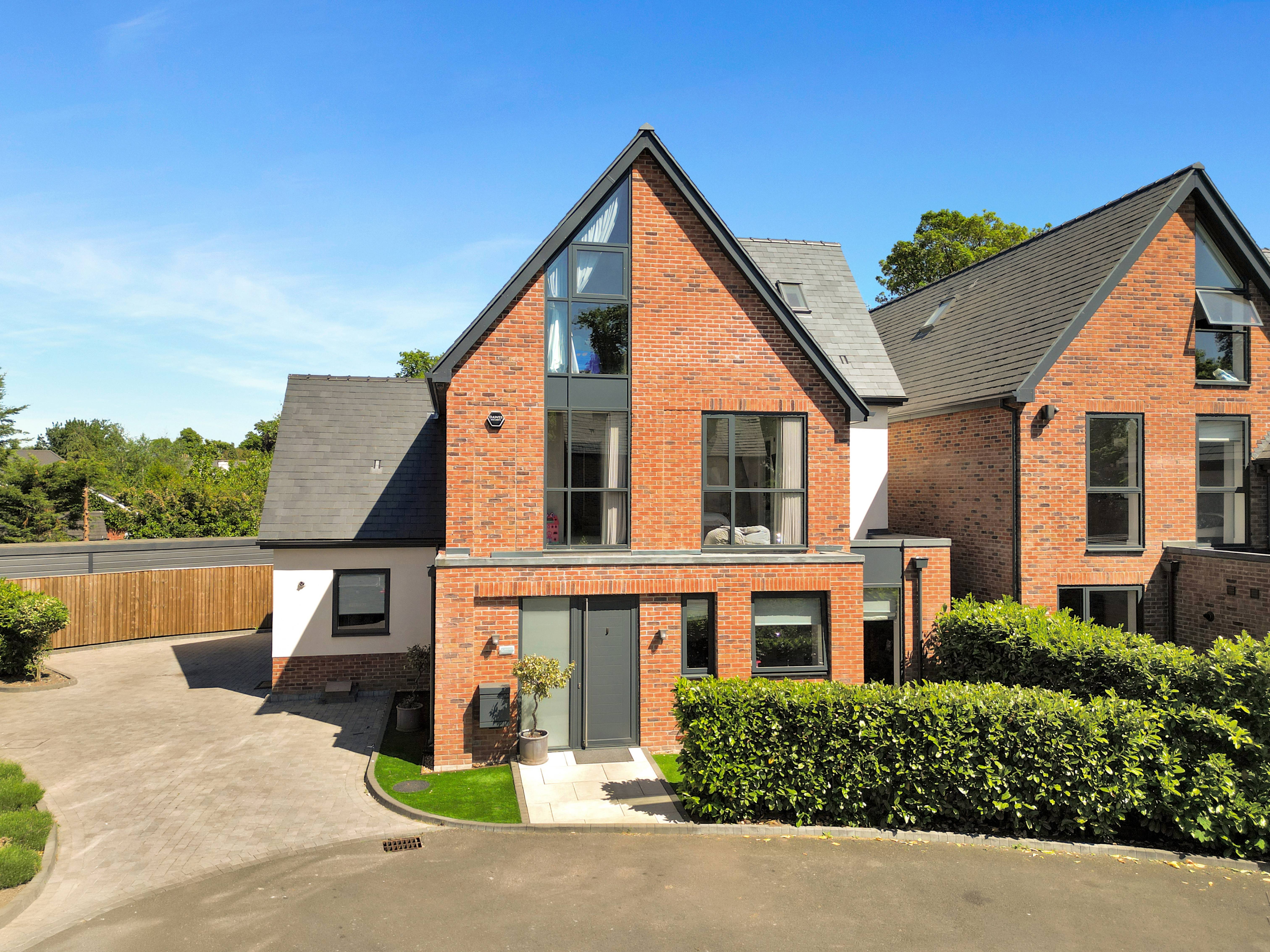
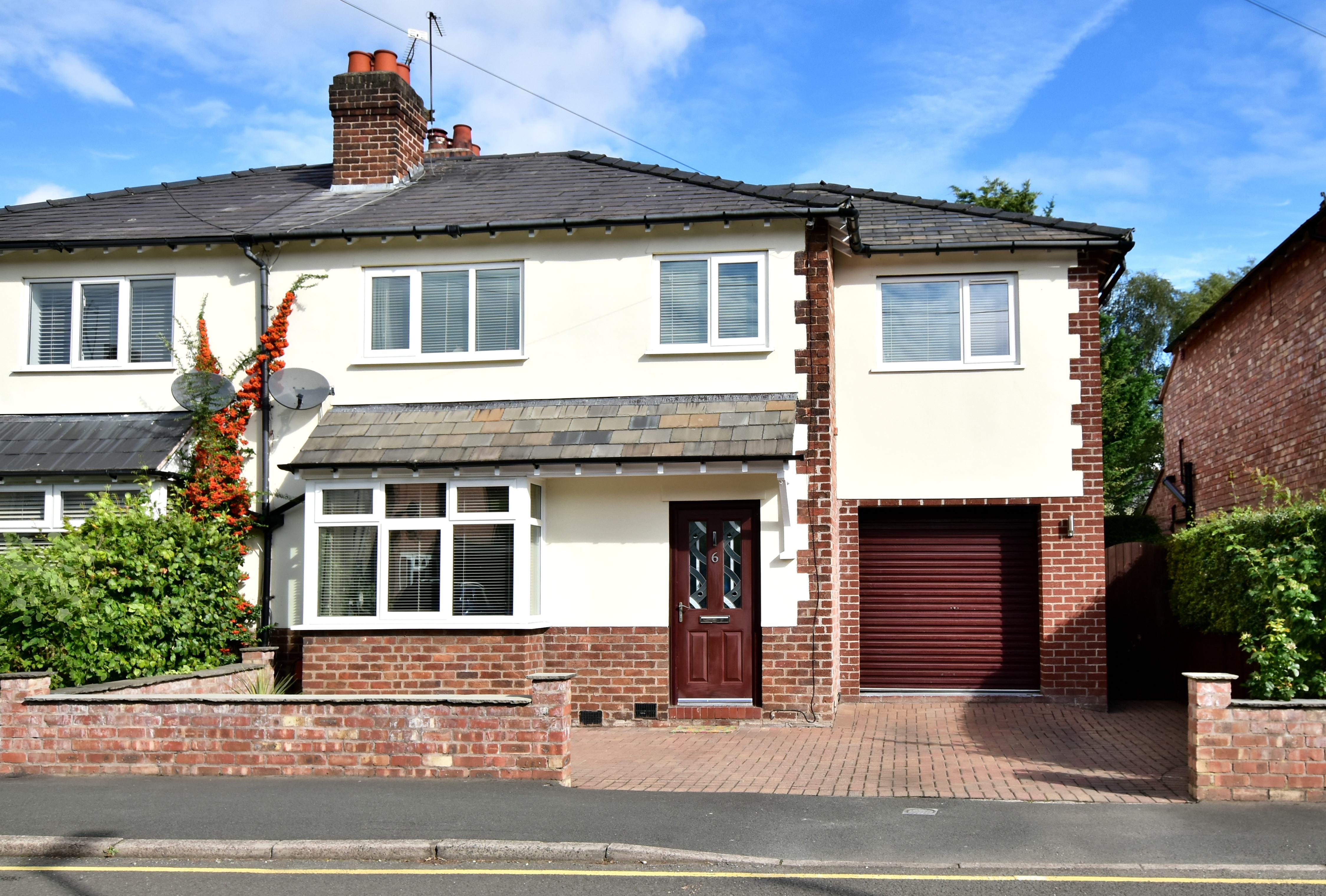
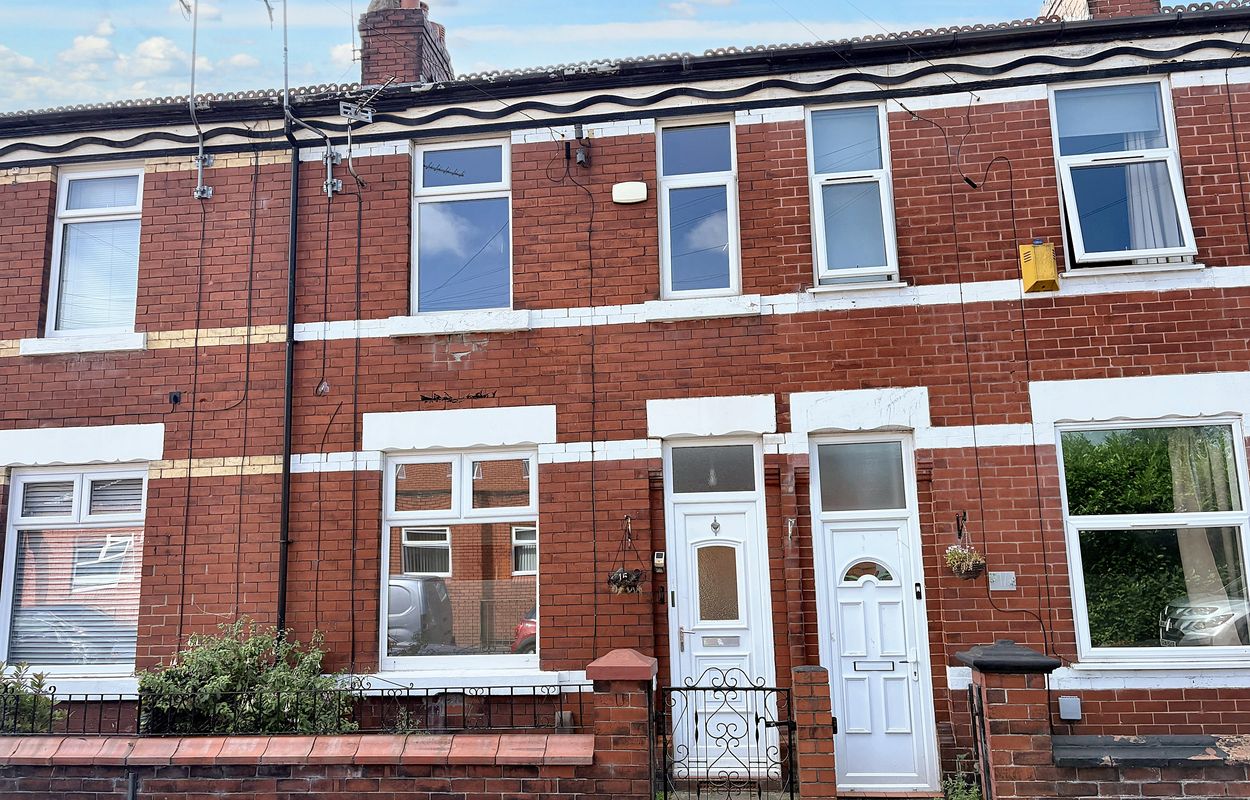
Properties we think you'll love











Bespoke Concierge Service









Homes of Distinction
Homes of Distinction is a network of property professionals who specialise in the marketing and sale of prime residential properties both locally and nationally. We put our confidence and trust in carefully selected independent property professionals.
We are known for our unique blend of intelligent and creative lifestyle marketing, utilising leading online technology coupled with a comprehensive offline approach to ensure your home stands out and attracts the right buyer.


In the Spotlight
Stay up to date with our latest news, tips and tricks.

Feb 20, 2026
Buyer delight as average monthly mortgage cost falls
New analysis from Rightmove reveals that the national average monthly mortgage payment was £1,592 in January, £119 lower than at the same time last year. The analysis uses daily mortgage rate data and property asking price data to calculate residential mortgage payments. Mortgage payments are based on average two-year fixed rates with a circa £999 fee and based on 95% of the mortgage market to exclude specialist lending. The calculations assume buyers have a 20% deposit and spread the cost of their mortgage over 25 years. What’s the latest for mortgage payments? The national average monthly mortgage payment decreased by £119 (-7%) year-on-year for new buyers in January due to a combination of average mortgage rate drops and slower house price growth. The average two-year fixed mortgage rate was 4.23% in January, down from 4.99% in January 2025. Meanwhile, national average asking prices were only up by 0.5% year-on-year, standing at £368,031 in January. While buyers are looking at notable savings compared to last year due to mortgage rate drops, a big monthly increase in property prices this January means that buyers face paying a little more on a new mortgage than they would have in December. The national average monthly mortgage payment is £35 more than it was in December 2025 when the national average asking price was £358,138. What’s the situation for first-time buyers? The average asking price for a typical first-time buyer home was £225,544 in January, and the average first-time buyer monthly mortgage payment was £975, down from £1,062 at this time last year. A 20% deposit would equate to £45,109 based on January’s average asking price. What are the regional differences? London buyers have seen the biggest year-on-year drops in monthly mortgage payments of £207. This is because homes are more expensive in London, making proportional mortgage rate drops result in higher cash savings. New buyers in the North East will see the least benefit from lower mortgage rates compared to purchasing last year. This is because homes are cheapest in the North East, but also because asking prices have risen faster here, with higher prices offsetting some of the savings of lower mortgage rates. What are other types of mortgage rate looking like? Those looking to remortgage or take out a buy-to-let mortgage will see slightly different rates to those buying with a lender for the first time. The average remortgage rate in January is 4.32%, down from 5.14% last year. Meanwhile, the average buy-to-let mortgage rate is 4.84%, down from 5.51% last year. The average remortgage rate is based on a 2-year fixed rate with a circa £999 fee, and the average buy-to-let mortgage rate is based on a 2-year fixed rate with a 25% deposit and no fee. What else is helping the market? Rightmove’s monthly confidence tracker measures the sentiments of home-owners, renters, prospective first-time buyers and landlords towards the market. It shows that net confidence among buyers and sellers in January returned to its highest level since September 2025. Source: Estate Agent Today, February 2026...

Feb 3, 2026
Pent-up demand is building, but housing market ‘craves certainty’
Pent-up demand is building, but housing market ‘craves certainty’ Demand is building across the housing market, but uncertainty over interest rates, economic conditions and government policy continues to weigh on buyer and seller confidence, according to industry commentators following the release of the latest housing transaction data. UK property transactions held steady in December, according to the latest HMRC data. The provisional seasonally adjusted estimate for the month was 100,440, up 5% on December 2024 and just under 1% below November 2025. The non-seasonally adjusted estimate was 105,730, representing a 7% rise year-on-year and a 1% increase on the previous month. HMRC noted that monthly transaction levels have been stable since summer 2025, with early activity in the 2025/26 financial year influenced by SDLT threshold changes from 1 April 2025. Industry reaction: Andrew Lloyd, managing director at Search Acumen: “December’s figures show a market holding the line against the usual seasonal slowdown. Transactions saw a 1% month-on-month increase, defending against the drop the festive period usually dictates. This suggests the tentative momentum we saw building in November has managed to weather the winter chill, showing surprising resilience at the tail end of a turbulent year.” “In the residential sector, affordability constraints and mortgage pricing continued to dictate the pace of play right up to the year-end. While November showed signs of the market testing the water, December’s figures remind us that consumer confidence is still fragile. Buyers are entering 2026 with a sense of cautious optimism, waiting for definitive signs of economic stability before committing to major financial decisions.” “December is often a race to the finish line for corporate deals, but the broader picture remains one of selective investment. The appetite is there, but high financing costs mean investors are scrutinising the long-term fundamentals of every asset more intensely than ever.” “As we look into the first quarter of 2026, the overarching theme remains the same: the market craves certainty. Pent-up demand is building, but activity will continue to come in fits and starts until we get a stable economic and political runway.” “For the property industry, January is the time to prepare for this returning demand. Law firms and conveyancers who used the December lull to audit their workflows, integrate AI, and digitise their due diligence will be the ones winning market share as the spring pipeline builds. The market might be in a seasonal freeze, but the firms that act now will be first out of the blocks in the new year.” Tom Bill, head of UK residential research at Knight Frank: “Transaction activity in December was in line with the five-year average as certainty following the Budget meant deals went through before Christmas. However, fresh activity in the form of mortgage approvals fell, which signals a relief bounce rather than a more meaningful spike in demand. The market in January started well but recent upwards pressure on borrowing costs means the outlook for this year feels finely-balanced. The absence of political drama over the next few months would help confidence, but that feels like wishful thinking.” Iain McKenzie, CEO of The Guild of Property Professionals: “HMRC figures show a market that is regaining its footing. Residential transactions in December running 5–7% higher than a year ago underlines that activity remained resilient despite the uncertainty that characterised the final quarter of 2025. While volumes were broadly flat compared to November on a seasonally adjusted basis, the year-on-year improvement is a clear sign that confidence was already starting to return. “We’ve seen that momentum carry into the start of this year. Many buyers who paused their plans ahead of the Autumn Budget have since re-entered the market, encouraged by greater stability, easing mortgage rates and the Bank Rate cut to 3.75% in December. Inflation remains a bump in the road and will keep the Bank of England cautious, but competition between lenders is continuing to work in buyers’ favour, with mortgage choice now at its highest level in nearly two decades. “For first-time buyers in particular, affordability is still stretched, but lower mortgage rates combined with rising incomes mean mortgage costs as a share of income are at their lowest for several years. At the same time, a growing number of homes coming to market is giving buyers more choice and helping to keep house price growth in check. “All of this points to the potential for higher transaction levels as we move through 2026. There is a clear desire to move, but success will depend on realism. Sellers who price sensibly and reflect local market conditions will be best placed to take advantage of the improving sentiment and convert that demand into completed sales.” Nick Leeming, Chairman of Jackson-Stops: “December’s HMRC data will largely reflect deals agreed before the November Budget. The figures are completion-based, so December’s data principally reflects transactions agreed in late summer or early autumn, rather than current market activity. “Beneath the surface, buyer interest was strong in December 2025. Our branch data shows new applicant registrations up on the previous year, with some locations, particularly coastal markets, seeing numbers double. There was also a clear urgency to get deals agreed, suggesting buyers saw prime regional markets as good value and wanted to secure property at current prices. “Looking ahead, buyer demand appears on course to return towards 2024 levels, supported by declining average mortgage rates and a more predictable borrowing environment. Buyers remain selective and value-driven – accurate pricing will be crucial in 2026. Well-priced homes attract strong interest, while over-ambitious pricing risks slowing a sale. Overall, the market is set for a modest, sustainable uplift, underpinned by improving demand, realistic pricing and available stock.” Nathan Emerson, CEO at Propertymark: “Based on December 2025’s figures, it is encouraging to see that property transactions remained stable following the Autumn Budget. At a time when many households were concerned about rising living costs, this stability suggests that the Budget provided enough clarity for people to continue progressing with plans to buy or sell a home. “The UK government has announced a range of measures designed to strengthen the housing market, including reforms to protect leaseholders from unfair ground rents and investment to increase the supply of homes through new development and social housing. These longer-term policies should help improve affordability and choice for consumers across England. “That said, many buyers are still feeling the strain of higher borrowing costs. To ease wider cost of living pressures and encourage more market activity, inflation and interest rates will need to fall. This would help make mortgages more affordable and support greater confidence among those looking to move home.” Richard Donnell, executive director at Zoopla: “Home buyers agreed housing sales at an increasing rate over 2025 building the largest pipeline of sales working their way to completion since the pandemic. This is why there were over 100,000 residential transactions in December 2025, up 5% on the year before. “Zoopla data shows that 2026 has got off to a slower start than a year ago with slightly fewer buyers and new sales, but there are clear signs that momentum is building. There is a strong desire to move home, but buyers remain cautious and price sensitive.” Source: Property Industry Eye, February 2026...

Jan 26, 2026
UK property market ‘on the up’ amid new year bounce in asking prices
Average price of a home coming up for sale rises almost £10,000, the largest monthly jump in a decade The UK housing market is enjoying a new year bounce, with the average price of a home coming up for sale increasing by the largest monthly amount in a decade, data shows. The property website Rightmove said almost £10,000 was added to the average asking price of a British home in the space of five weeks. Rightmove said much of the increase was down to the housing market regaining its optimism after speculation about possible property tax changes in the November budget led to a slump in activity, as many owners and house hunters put their plans on hold. The Bank of England’s interest rate cut a few days before Christmas also gave the market a boost. Rightmove’s data showed that the average new seller asking price rose by 2.8%, or £9,893, month on month, taking the typical figure to £368,031. It said this was the largest increase in the month of January in 25 years, and the biggest rise in any month since June 2015. The data, which is based on tens of thousands of properties put on sale by estate agents between 7 December and 10 January, paints a much more upbeat picture of the market than the most recent figures issued by mortgage lenders Halifax and Nationwide. Both said UK house prices fell in December, by 0.6% and 0.4% respectively. Jeremy Leaf, a north London estate agent and former Royal Institution of Chartered Surveyors (Rics) residential chair, said: “Although the Rightmove survey looks at asking rather than selling prices of newly listed homes, activity is definitely on the up, buoyed by falling mortgage rates and inflation.” He said buyers and sellers “breathed a collective sigh of relief” when property tax changes in the budget turned out to be “not as punitive as many expected”. In the run-up to the chancellor’s set-piece statement on 26 November, amid intense speculation about what might happen, the TV presenter Kirstie Allsopp said “people are in a panic” about potential stamp duty changes and “sitting tight”. In the event, the main property measure announced was the “mansion tax”, a council tax surcharge for homes in England worth more than £2m. Rightmove said home movers were returning to the market: in the two weeks after Christmas, buyer demand rose by 57% compared with the two weeks before, while the number of newly listed homes for sale jumped by 81%. While the figures will please many homeowners, they will not be welcomed by prospective first-time buyers already struggling to get on the property ladder. However, Colleen Babcock, a property expert at Rightmove, said asking prices “are only back to where they were in the summer of 2025, before the budget rumours began surfacing”. Moreover, the headline figure disguises wide regional variations. Areas that recorded above-average asking price rises include the east of England (up 3% month on month), while the East Midlands and Scotland bucked the trend with price falls (down 0.6% and 0.4% respectively). Separate data issued by the estate agent Hamptons showed that average private rents in Great Britain ended 2025 below where they started for the first time in many years. The average rent on a newly let property dipped by 0.7% in 2025, the first time it has fallen over a full calendar year since the company’s records began in 2011. It means the average tenant moving into a property paid £1,371 a month – £10 a month less than 12 months earlier. ...

Jan 26, 2026
Demand soars ahead of supply according to Propertymark data
Demand soars ahead of supply according to Propertymark data New Propertymark figures show a continuing large gap between demand and supply in the private rental sector. But the sales data shows the market remaining relatively strong, even in the build-up to Christmas. Lettings market The data – just released, but relating to November – shows that the average number of new prospective tenants registered per branch rose to 68. There was also an increase in supply with an average 10.8 new properties made available in each agency office. However, that still means six applicants chasing every rental home available. The trade body adds that in November, average UK rents were 4.4% higher than in November 2024. The average rent was £1,422 per month in England, £1,012 in Scotland, and £880 in Wales. Some 2.2% of Propertymark agents reported problems with tenants in arrears. The body’s chief executive, Nathan Emerson, says: “The gradual rise in available stock is a welcome sign. “But with demand continuing to outstrip supply in many areas, affordability pressures for tenants remain acute. “These figures reinforce the need for long-term policy certainty to support both buyers and renters, alongside a stable operating environment for agents on the front line.” Sales market On the sales side, some 103,000 completed transactions took place in November, despite Budget worries. There was an average of 57 new buyers registered with each Propertymark agent, while the number of homes listed for sale was 10 for each branch. Each home for sale enjoyed an average 2.1 viewings during November. Meanwhile the number of market appraisals rose to a typical 22 per agency branch. Source: Letting Agent Today, January 2026...
Feb 20, 2026
Buyer delight as average monthly mortgage cost falls
New analysis from Rightmove reveals that the national average monthly mortgage payment was £1,592 in January, £119 lower than at the same time last year. The analysis uses daily mortgage rate data and property asking price data to calculate residential mortgage payments. Mortgage payments are based on average two-year fixed rates with a circa £999 fee and based on 95% of the mortgage market to exclude specialist lending. The calculations assume buyers have a 20% deposit and spread the cost of their mortgage over 25 years. What’s the latest for mortgage payments? The national average monthly mortgage payment decreased by £119 (-7%) year-on-year for new buyers in January due to a combination of average mortgage rate drops and slower house price growth. The average two-year fixed mortgage rate was 4.23% in January, down from 4.99% in January 2025. Meanwhile, national average asking prices were only up by 0.5% year-on-year, standing at £368,031 in January. While buyers are looking at notable savings compared to last year due to mortgage rate drops, a big monthly increase in property prices this January means that buyers face paying a little more on a new mortgage than they would have in December. The national average monthly mortgage payment is £35 more than it was in December 2025 when the national average asking price was £358,138. What’s the situation for first-time buyers? The average asking price for a typical first-time buyer home was £225,544 in January, and the average first-time buyer monthly mortgage payment was £975, down from £1,062 at this time last year. A 20% deposit would equate to £45,109 based on January’s average asking price. What are the regional differences? London buyers have seen the biggest year-on-year drops in monthly mortgage payments of £207. This is because homes are more expensive in London, making proportional mortgage rate drops result in higher cash savings. New buyers in the North East will see the least benefit from lower mortgage rates compared to purchasing last year. This is because homes are cheapest in the North East, but also because asking prices have risen faster here, with higher prices offsetting some of the savings of lower mortgage rates. What are other types of mortgage rate looking like? Those looking to remortgage or take out a buy-to-let mortgage will see slightly different rates to those buying with a lender for the first time. The average remortgage rate in January is 4.32%, down from 5.14% last year. Meanwhile, the average buy-to-let mortgage rate is 4.84%, down from 5.51% last year. The average remortgage rate is based on a 2-year fixed rate with a circa £999 fee, and the average buy-to-let mortgage rate is based on a 2-year fixed rate with a 25% deposit and no fee. What else is helping the market? Rightmove’s monthly confidence tracker measures the sentiments of home-owners, renters, prospective first-time buyers and landlords towards the market. It shows that net confidence among buyers and sellers in January returned to its highest level since September 2025. Source: Estate Agent Today, February 2026...
Feb 3, 2026
Pent-up demand is building, but housing market ‘craves certainty’
Pent-up demand is building, but housing market ‘craves certainty’ Demand is building across the housing market, but uncertainty over interest rates, economic conditions and government policy continues to weigh on buyer and seller confidence, according to industry commentators following the release of the latest housing transaction data. UK property transactions held steady in December, according to the latest HMRC data. The provisional seasonally adjusted estimate for the month was 100,440, up 5% on December 2024 and just under 1% below November 2025. The non-seasonally adjusted estimate was 105,730, representing a 7% rise year-on-year and a 1% increase on the previous month. HMRC noted that monthly transaction levels have been stable since summer 2025, with early activity in the 2025/26 financial year influenced by SDLT threshold changes from 1 April 2025. Industry reaction: Andrew Lloyd, managing director at Search Acumen: “December’s figures show a market holding the line against the usual seasonal slowdown. Transactions saw a 1% month-on-month increase, defending against the drop the festive period usually dictates. This suggests the tentative momentum we saw building in November has managed to weather the winter chill, showing surprising resilience at the tail end of a turbulent year.” “In the residential sector, affordability constraints and mortgage pricing continued to dictate the pace of play right up to the year-end. While November showed signs of the market testing the water, December’s figures remind us that consumer confidence is still fragile. Buyers are entering 2026 with a sense of cautious optimism, waiting for definitive signs of economic stability before committing to major financial decisions.” “December is often a race to the finish line for corporate deals, but the broader picture remains one of selective investment. The appetite is there, but high financing costs mean investors are scrutinising the long-term fundamentals of every asset more intensely than ever.” “As we look into the first quarter of 2026, the overarching theme remains the same: the market craves certainty. Pent-up demand is building, but activity will continue to come in fits and starts until we get a stable economic and political runway.” “For the property industry, January is the time to prepare for this returning demand. Law firms and conveyancers who used the December lull to audit their workflows, integrate AI, and digitise their due diligence will be the ones winning market share as the spring pipeline builds. The market might be in a seasonal freeze, but the firms that act now will be first out of the blocks in the new year.” Tom Bill, head of UK residential research at Knight Frank: “Transaction activity in December was in line with the five-year average as certainty following the Budget meant deals went through before Christmas. However, fresh activity in the form of mortgage approvals fell, which signals a relief bounce rather than a more meaningful spike in demand. The market in January started well but recent upwards pressure on borrowing costs means the outlook for this year feels finely-balanced. The absence of political drama over the next few months would help confidence, but that feels like wishful thinking.” Iain McKenzie, CEO of The Guild of Property Professionals: “HMRC figures show a market that is regaining its footing. Residential transactions in December running 5–7% higher than a year ago underlines that activity remained resilient despite the uncertainty that characterised the final quarter of 2025. While volumes were broadly flat compared to November on a seasonally adjusted basis, the year-on-year improvement is a clear sign that confidence was already starting to return. “We’ve seen that momentum carry into the start of this year. Many buyers who paused their plans ahead of the Autumn Budget have since re-entered the market, encouraged by greater stability, easing mortgage rates and the Bank Rate cut to 3.75% in December. Inflation remains a bump in the road and will keep the Bank of England cautious, but competition between lenders is continuing to work in buyers’ favour, with mortgage choice now at its highest level in nearly two decades. “For first-time buyers in particular, affordability is still stretched, but lower mortgage rates combined with rising incomes mean mortgage costs as a share of income are at their lowest for several years. At the same time, a growing number of homes coming to market is giving buyers more choice and helping to keep house price growth in check. “All of this points to the potential for higher transaction levels as we move through 2026. There is a clear desire to move, but success will depend on realism. Sellers who price sensibly and reflect local market conditions will be best placed to take advantage of the improving sentiment and convert that demand into completed sales.” Nick Leeming, Chairman of Jackson-Stops: “December’s HMRC data will largely reflect deals agreed before the November Budget. The figures are completion-based, so December’s data principally reflects transactions agreed in late summer or early autumn, rather than current market activity. “Beneath the surface, buyer interest was strong in December 2025. Our branch data shows new applicant registrations up on the previous year, with some locations, particularly coastal markets, seeing numbers double. There was also a clear urgency to get deals agreed, suggesting buyers saw prime regional markets as good value and wanted to secure property at current prices. “Looking ahead, buyer demand appears on course to return towards 2024 levels, supported by declining average mortgage rates and a more predictable borrowing environment. Buyers remain selective and value-driven – accurate pricing will be crucial in 2026. Well-priced homes attract strong interest, while over-ambitious pricing risks slowing a sale. Overall, the market is set for a modest, sustainable uplift, underpinned by improving demand, realistic pricing and available stock.” Nathan Emerson, CEO at Propertymark: “Based on December 2025’s figures, it is encouraging to see that property transactions remained stable following the Autumn Budget. At a time when many households were concerned about rising living costs, this stability suggests that the Budget provided enough clarity for people to continue progressing with plans to buy or sell a home. “The UK government has announced a range of measures designed to strengthen the housing market, including reforms to protect leaseholders from unfair ground rents and investment to increase the supply of homes through new development and social housing. These longer-term policies should help improve affordability and choice for consumers across England. “That said, many buyers are still feeling the strain of higher borrowing costs. To ease wider cost of living pressures and encourage more market activity, inflation and interest rates will need to fall. This would help make mortgages more affordable and support greater confidence among those looking to move home.” Richard Donnell, executive director at Zoopla: “Home buyers agreed housing sales at an increasing rate over 2025 building the largest pipeline of sales working their way to completion since the pandemic. This is why there were over 100,000 residential transactions in December 2025, up 5% on the year before. “Zoopla data shows that 2026 has got off to a slower start than a year ago with slightly fewer buyers and new sales, but there are clear signs that momentum is building. There is a strong desire to move home, but buyers remain cautious and price sensitive.” Source: Property Industry Eye, February 2026...
Jan 26, 2026
UK property market ‘on the up’ amid new year bounce in asking prices
Average price of a home coming up for sale rises almost £10,000, the largest monthly jump in a decade The UK housing market is enjoying a new year bounce, with the average price of a home coming up for sale increasing by the largest monthly amount in a decade, data shows. The property website Rightmove said almost £10,000 was added to the average asking price of a British home in the space of five weeks. Rightmove said much of the increase was down to the housing market regaining its optimism after speculation about possible property tax changes in the November budget led to a slump in activity, as many owners and house hunters put their plans on hold. The Bank of England’s interest rate cut a few days before Christmas also gave the market a boost. Rightmove’s data showed that the average new seller asking price rose by 2.8%, or £9,893, month on month, taking the typical figure to £368,031. It said this was the largest increase in the month of January in 25 years, and the biggest rise in any month since June 2015. The data, which is based on tens of thousands of properties put on sale by estate agents between 7 December and 10 January, paints a much more upbeat picture of the market than the most recent figures issued by mortgage lenders Halifax and Nationwide. Both said UK house prices fell in December, by 0.6% and 0.4% respectively. Jeremy Leaf, a north London estate agent and former Royal Institution of Chartered Surveyors (Rics) residential chair, said: “Although the Rightmove survey looks at asking rather than selling prices of newly listed homes, activity is definitely on the up, buoyed by falling mortgage rates and inflation.” He said buyers and sellers “breathed a collective sigh of relief” when property tax changes in the budget turned out to be “not as punitive as many expected”. In the run-up to the chancellor’s set-piece statement on 26 November, amid intense speculation about what might happen, the TV presenter Kirstie Allsopp said “people are in a panic” about potential stamp duty changes and “sitting tight”. In the event, the main property measure announced was the “mansion tax”, a council tax surcharge for homes in England worth more than £2m. Rightmove said home movers were returning to the market: in the two weeks after Christmas, buyer demand rose by 57% compared with the two weeks before, while the number of newly listed homes for sale jumped by 81%. While the figures will please many homeowners, they will not be welcomed by prospective first-time buyers already struggling to get on the property ladder. However, Colleen Babcock, a property expert at Rightmove, said asking prices “are only back to where they were in the summer of 2025, before the budget rumours began surfacing”. Moreover, the headline figure disguises wide regional variations. Areas that recorded above-average asking price rises include the east of England (up 3% month on month), while the East Midlands and Scotland bucked the trend with price falls (down 0.6% and 0.4% respectively). Separate data issued by the estate agent Hamptons showed that average private rents in Great Britain ended 2025 below where they started for the first time in many years. The average rent on a newly let property dipped by 0.7% in 2025, the first time it has fallen over a full calendar year since the company’s records began in 2011. It means the average tenant moving into a property paid £1,371 a month – £10 a month less than 12 months earlier. ...
Jan 26, 2026
Demand soars ahead of supply according to Propertymark data
Demand soars ahead of supply according to Propertymark data New Propertymark figures show a continuing large gap between demand and supply in the private rental sector. But the sales data shows the market remaining relatively strong, even in the build-up to Christmas. Lettings market The data – just released, but relating to November – shows that the average number of new prospective tenants registered per branch rose to 68. There was also an increase in supply with an average 10.8 new properties made available in each agency office. However, that still means six applicants chasing every rental home available. The trade body adds that in November, average UK rents were 4.4% higher than in November 2024. The average rent was £1,422 per month in England, £1,012 in Scotland, and £880 in Wales. Some 2.2% of Propertymark agents reported problems with tenants in arrears. The body’s chief executive, Nathan Emerson, says: “The gradual rise in available stock is a welcome sign. “But with demand continuing to outstrip supply in many areas, affordability pressures for tenants remain acute. “These figures reinforce the need for long-term policy certainty to support both buyers and renters, alongside a stable operating environment for agents on the front line.” Sales market On the sales side, some 103,000 completed transactions took place in November, despite Budget worries. There was an average of 57 new buyers registered with each Propertymark agent, while the number of homes listed for sale was 10 for each branch. Each home for sale enjoyed an average 2.1 viewings during November. Meanwhile the number of market appraisals rose to a typical 22 per agency branch. Source: Letting Agent Today, January 2026...
Affiliations